Paid search has been a cornerstone of digital marketing for years, a measurable way to reach consumers when they show intent. As the digital landscape gets more competitive and user behavior changes, marketers are turning to artificial intelligence (AI) to get more value and performance out of their paid search campaigns. This article will explore how AI in paid search is changing the industry, the benefits, and why it should be part of your digital strategy.
Understanding Paid Search Marketing
Paid search, also known as search engine marketing (SEM) or pay-per-click (PPC) advertising, is placing ads on search engine results pages (SERPs) to increase visibility and drive traffic to websites. Marketers bid on keywords relevant to their business, and ads show up for users searching those terms. Platforms like Google Ads and Microsoft Advertising own the space, with robust systems for targeting, budgeting, and reporting.
Historically, paid search was all about manual campaign management—marketers would bid, write ad copy, and optimize keywords, often using spreadsheets and intuition. Today, AI in paid search is changing all that.
What Is AI in Paid Search?
AI in paid search refers to the application of machine learning, natural language processing, and automation tools to optimize campaign elements that were once handled manually. From predictive bidding and dynamic ad creation to real-time analysis and budget allocation, AI augments every decision point within a PPC campaign.
These advancements allow marketers to:
- Analyze vast quantities of data swiftly.
- Identify trends and patterns not discernible by humans.
- Make real-time adjustments for maximum ROI.
- Reduce repetitive, manual tasks.
Key Benefits of AI in Paid Search Marketing
1. Enhanced Targeting and Audience Segmentation
AI algorithms excel in analyzing historical user data and real-time behaviors. By leveraging AI, paid search campaigns can:
- Identify micro-segments based on user intent, device, location, and browsing history.
- Personalize ad messaging for individual audience segments.
- Predict which users are most likely to convert, enabling more efficient budget allocation.
This granularity ensures that marketing dollars are spent on users with the highest propensity to engage, elevating both reach and relevance.
2. Smarter and More Efficient Bidding Strategies
Bidding is central to paid search performance. Traditional manual bidding is time-consuming and often reactive. AI-powered bidding automates and accelerates this process by:
- Adjusting bids in real time based on variables like competition, device, time of day, and user intent.
- Utilizing predictive analytics to forecast outcome probabilities and optimize for conversions or other KPIs.
- Minimizing wasted spend and maximizing returns through continuous learning.
Platforms such as Google’s Smart Bidding system are prime examples, utilizing AI to optimize bids toward specific business goals like target CPA (cost-per-acquisition) and ROAS (return on ad spend).
3. Dynamic Ad Creation and Personalization
AI-driven tools can generate ad copy and creative assets tailored to specific user queries and contexts. Benefits include:
- Testing thousands of ad variations automatically to find top converters.
- Customizing headlines, descriptions, and calls-to-action for user intent and device.
- Ensuring ads are highly relevant, driving improved Click-Through Rates (CTR) and Quality Scores.
This dynamic approach allows for rapid experimentation and continual refinement, unlike traditional static ad creation workflows.
4. Improved Keyword Research and Discovery
Finding the optimal keywords is foundational in paid search. AI-driven keyword tools:
- Analyze user behavior trends to uncover new, high-intent keywords.
- Predict keyword performance and seasonality shifts.
- Highlight negative keywords to prevent inefficient ad spend.
By automating this process, marketers stay ahead of changing user interests and ensure their campaigns remain competitive.
5. Advanced Reporting, Insights, and Predictive Analytics
AI not only streamlines the management of paid search campaigns but also enhances analysis and reporting:
- Aggregate cross-channel data for comprehensive performance insights.
- Generate automated, actionable recommendations.
- Use predictive analytics to anticipate market trends, consumer shifts, and campaign outcomes.
Faster, more accurate insights enable more strategic, data-driven decisions at every level.
6. Automation of Routine Tasks
AI releases marketers from time-consuming activities such as reporting, bid management, and A/B testing by:
- Automating the adjustment of bids, budgets, and ad rotations.
- Streamlining reporting processes.
- Freeing up human creativity for higher-level strategic planning.
This reduction in manual labor enhances productivity and reduces operational costs.

Case Studies and Real-World Examples
Retail Industry: Increasing Sales Through AI-Powered Bidding
A leading retailer implemented AI-driven Smart Bidding on Google Ads, resulting in:
- A 30% increase in conversion rate.
- A 25% decrease in cost-per-conversion.
- Improved ability to reach high-value audiences during peak seasons.
Travel Sector: Dynamic Ad Copy for Seasonal Trends
A travel agency adopted AI-based dynamic creative optimization, allowing their ads to automatically reflect current trends, destinations, and prices. The campaign yielded:
- Higher engagement rates due to personalized messaging.
- Enhanced ability to capture seasonal demand shifts quickly.
Challenges and Considerations for Adopting AI in Paid Search
While the benefits are significant, integration of AI in paid search is not without challenges:
- Data Privacy: Adhering to GDPR, CCPA, and other privacy laws requires careful management of user data.
- Transparency: Some AI algorithms operate as “black boxes,” making it hard to understand how decisions are made.
- Over-Automation: Excessive reliance on automation can lead to missed opportunities that require a human touch.
- Learning Curve: Teams may require new skills and knowledge to maximize AI capabilities.
To overcome these challenges, marketers should blend AI tools with human expertise and maintain a robust data governance strategy.
Best Practices for Leveraging AI in Paid Search
Here’s how you can maximize the benefits of AI in paid search marketing:
- Set Clear Goals: Define what you want AI to achieve—more clicks, higher conversions, lower costs.
- Integrate with Analytics: Combine AI insights with first-party and third-party analytics for a holistic view.
- Monitor Performance Regularly: Even the best AI tools need oversight; review results, tweak approaches, and stay agile.
- Test and Experiment: Use AI to A/B test ad copy, bid strategies, and landing pages at scale.
- Stay Updated: AI is evolving; keep learning and updating your tactics to leverage the latest capabilities.

The Future of AI in Paid Search
The trajectory for AI in paid search is clear: tools will become increasingly sophisticated, able to process more signals with greater nuance and context. Some trends to watch include:
- Conversational AI and Voice Search: With more searches conducted via voice, AI will play an integral role in optimizing for natural language queries.
- Visual Search Optimization: AI-powered image recognition will enable ads to align with increasingly visual search behaviors.
- Predictive Audience Modeling: AI will help marketers target “next-best” customers before they even enter the funnel.
- Automation of Creative Production: AI will autonomously generate creative assets, adjusting not only ad copy but also images and video content in real time.
The Strategic Imperative: Blending Human Insight with AI
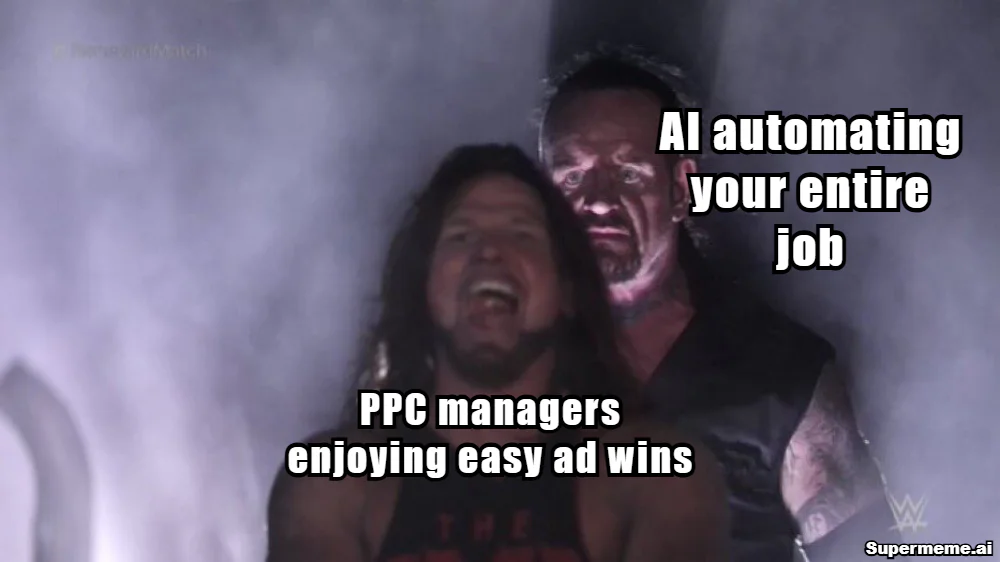
AI in paid search has changed campaign management and optimisation, but it’s not a replacement for human creativity or strategy. Instead, it’s a tool to augment marketers' abilities - free them from the mundane so they can focus on higher-level work like campaign strategy, understanding nuanced consumer motivations, and storytelling.
The best digital marketers will be those who harness the power of AI while keeping oversight, creativity, and a strong ethical framework.

Conclusion
AI in paid search marketing is more than a technical upgrade: it’s a fundamental change in how campaigns are built, managed, and evolved. With better targeting, smarter bidding, dynamic ad personalisation, and advanced analytics, AI delivers efficiencies and results that were previously impossible to achieve manually. As the landscape gets more competitive and data-driven, using AI is not just nice to have - it’s necessary to stay relevant and get better ROI in paid search.
By understanding the capabilities and limitations of AI in paid search and combining these with human expertise, brands and marketers can unlock new levels of growth, creativity, and impact in the digital space.