In today’s competitive market, businesses are continuously searching for ways to boost growth while keeping their marketing costs low. One strategy that has consistently proven successful is referral marketing. By leveraging the trust of existing customers, brands can rapidly expand their reach, acquire new customers, and increase loyalty. The concept of referral marketing isn’t new, but as more companies have embraced it, the results have been undeniable.
This article will take a look at several brands that have used referral marketing effectively, achieving impressive success and driving growth. From Dropbox to Spotify, these brands have tapped into the power of referral marketing, demonstrating how it can be done right and how businesses can emulate their strategies for success.
Dropbox: The Referral Marketing Game Changer
Dropbox is often cited as one of the most successful examples of referral marketing done right. In its early stages, the company faced the challenge of growing its user base and increasing brand visibility in a highly competitive space. To solve this, Dropbox launched a referral marketing campaign that offered users additional free storage in exchange for referrals.
By incentivizing both the referrer and the referred customer, Dropbox was able to quickly expand its user base. The referral program helped Dropbox grow its users by 60% in just 18 months, ultimately contributing to its rise as one of the leading cloud storage platforms. This referral marketing strategy highlighted the power of offering valuable incentives while creating an easy, seamless process for customers to refer others.
Dropbox’s success shows that when referral marketing is executed correctly, it can dramatically increase both user acquisition and brand loyalty.
Airbnb: Leveraging Referral Marketing for Global Growth
Airbnb, the global leader in home-sharing, has become a household name in large part due to its referral marketing strategy. The company launched a referral program offering travel credits to both referrers and new users, which encouraged its existing customer base to share the platform with friends and family.

Airbnb’s referral marketing strategy made it easy for customers to refer others, integrating the process seamlessly into the app and website. This referral marketing program played a significant role in Airbnb’s global expansion, allowing it to grow into one of the world’s largest travel companies. The beauty of Airbnb’s referral marketing lies in its dual-sided incentives, making it attractive for both the referrer and the new user.
Through referral marketing, Airbnb was able to create an organic word-of-mouth network, helping propel its success worldwide.
Tesla: Creating a Viral Referral Program
Tesla is another prime example of referral marketing that went viral. In 2015, the company introduced a referral program that offered significant rewards, such as free Supercharging miles and even a chance to win a Tesla Roadster. Tesla’s program created a community of loyal brand advocates who not only referred others but also shared their passion for the company with their network.
What makes Tesla’s referral marketing so successful is its exclusivity and high-value rewards. Customers were not just earning small discounts—they were being offered luxury incentives that made the program feel special. This exclusivity turned Tesla’s referral marketing into a viral campaign, increasing brand awareness and customer loyalty.
Tesla’s referral program shows that when you make the rewards meaningful and desirable, you can maximize customer acquisition and generate a lot of buzz around your brand.
Uber: The Power of Ride Credit Incentives
Uber is well-known for its referral marketing program, which offered ride credits to customers who referred new users. This program helped Uber expand rapidly by incentivizing existing users to bring in their friends, family, and colleagues.
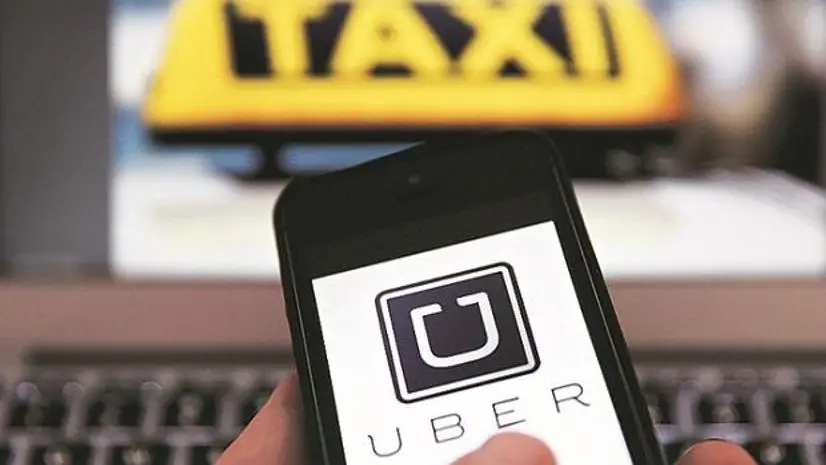
The success of Uber’s referral marketing strategy lies in its simplicity and immediate value. Every time a new user signed up using a referral code, both the referrer and the referred customer received ride credits, making it a win-win situation. The incentives were easy to understand and had a direct impact, which encouraged users to share the app with their network.
Uber’s referral marketing strategy contributed significantly to its growth and helped it establish a massive customer base across the world.
Harry’s: Referral Marketing in the Consumer Goods Space
Harry’s, a men’s grooming brand, is a perfect example of referral marketing in the consumer goods space. The company used referral marketing to generate significant buzz before launching their product. By offering early access and free products to those who referred friends, Harry’s was able to create anticipation and excitement around its launch.
Harry’s referral marketing campaign led to massive pre-launch sign-ups, helping the company establish a customer base right from the start. The program’s success was driven by the company’s focus on personalized rewards and creating a sense of exclusivity.
The success of Harry’s referral marketing campaign proves that referral programs can be an effective way to generate excitement and build brand awareness, even for new brands entering crowded markets.
Glossier: The Beauty Brand That Thrived with Referrals
Glossier, a beauty brand that started as a blog, built its reputation almost entirely on referral marketing. The company’s referral program was designed to tap into the power of customer loyalty by offering rewards such as discounts and exclusive products for those who referred others.
Glossier’s success with referral marketing can be attributed to the brand’s deep connection with its community. The company utilized social media to amplify its referral marketing efforts, allowing customers to feel part of a larger community of brand advocates. Referral marketing became a way for customers to show their loyalty, share their experiences, and get rewarded in the process.
By embracing referral marketing, Glossier was able to grow its customer base exponentially and build a strong, loyal following in the beauty industry.
Swagbucks: Maximizing Referrals in the Rewards Industry
Swagbucks, a popular rewards platform, has successfully used referral marketing to grow its user base. The company offers users the opportunity to earn points for referring friends and family, which can then be redeemed for gift cards and other rewards.
The success of Swagbucks’ referral marketing program lies in its ability to reward users for both referring others and using the platform. The dual-sided incentives encourage users to remain engaged, continually earning rewards for both referring and using the service. This referral marketing model has made Swagbucks one of the most popular rewards platforms worldwide.
Swagbucks' referral marketing strategy is a great example of how businesses in the rewards industry can leverage referrals to enhance customer engagement and growth.
Spotify: Creating a Seamless Referral Experience
Spotify’s referral marketing strategy focuses on simplicity and value. The company introduced a family plan referral program, which incentivized users to refer others to join Spotify Premium by offering discounted subscriptions and free trials.

Spotify made it incredibly easy for users to share their referral links across different platforms, ensuring a seamless referral experience. As a result, Spotify’s referral marketing program led to massive growth in its customer base, particularly among students and families looking to share music without breaking the bank.
Spotify’s success proves that referral marketing can be highly effective in industries where subscriptions or ongoing customer relationships are key.
How Referral Marketing Strategies Can Be Adapted for Any Brand
While the examples above highlight the success of referral marketing in various industries, it’s important to understand how these strategies can be adapted for your own business. Whether you’re a startup or an established brand, referral marketing can be tailored to suit your specific goals and audience.
Key takeaways for adapting referral marketing include:
- Understand Your Customer Base: Know what motivates your customers and what types of rewards would encourage them to refer others.
- Keep It Simple: The easier you make the process for customers, the more likely they are to participate.
- Offer Value: Ensure that your referral program offers rewards that are meaningful to both the referrer and the referred.
- Track and Optimize: Monitor the performance of your referral program and continuously refine it based on data and feedback.
Supercharging Growth with Referral Marketing
Referral marketing has proven to be a powerful tool for driving customer-led growth and expanding brand reach. By looking at the success of brands like Dropbox, Airbnb, and Tesla, it’s clear that referral programs can have a significant impact on customer acquisition and loyalty. Whether you’re just getting started or looking to enhance your existing referral marketing strategy, these brands offer valuable lessons on how to create a program that drives results.
For more insights into referral marketing and how you can implement successful programs, visit 45 examples of brands who’ve launched successful referral programs.