The top SaaS pricing models in 2025 include freemium, flat-rate, tiered, per-user, usage-based, feature-based, credit-based, and hybrid approaches, each tailored for different customer segments and business goals. Selecting the right SaaS pricing model requires a deep understanding of the software’s value, customer behavior, competition, and projected business growth.
Understanding SaaS Pricing Models
SaaS (Software as a Service) companies must balance accessibility, revenue predictability, and user satisfaction when designing their pricing strategies. Each pricing model aligns differently with customer needs, buying psychology, and the product’s value proposition.
Freemium
Freemium pricing offers a basic product version for free, with paid plans unlocking advanced features or higher usage limits. This approach encourages widespread adoption and allows users to experience the software’s core benefits risk-free.
- Strengths: Lowers the barrier to entry, accelerates market penetration, and builds a large user base.
- Drawbacks: Can be expensive to support a large free cohort, risk of low conversion to paid subscriptions.
Examples: Dropbox, Slack, Canva — each drives engagement with robust free tiers before upselling premium plans.
Flat-Rate Pricing
Flat-rate or fixed pricing means all users pay the same subscription fee for access to all core features, regardless of company size or usage.
- Strengths: Simplicity, easy marketing, and transparent billing.
- Drawbacks: May not fit all customer segments, risks of underpricing heavy users or overpricing light users.
Example: Basecamp offers one price for unlimited users and projects.
Tiered Pricing
Tiered pricing provides several packages at graduated prices, each suited for specific customer needs and budgets. Usually, these plans bundle features, user limits, or usage caps to scale with customer growth.
- Strengths: Appeals to a broad market, generates upsell opportunities as customers grow.
- Drawbacks: Can become complex for buyers, may frustrate customers not fit neatly into a tier.
Example: Zapier’s multiple pricing tiers enable individuals, startups, and enterprises to find an appropriate level.
Per-User or Per-Seat Pricing
This model charges based on the number of users (or “seats”) who access the platform.
- Strengths: Predictable costs for teams, scales directly with team size.
- Drawbacks: Deterrent for companies seeking company-wide adoption, can be limiting where user engagement varies per account.
Example: Many collaboration tools like Slack and Canva employ per-user pricing for teams.
Usage-Based Pricing (Pay-As-You-Go)
Customers are billed according to how much of the service or computing resources they use, like API calls, data processed, or transactions completed.metronome+3
- Strengths: Seen as fair and flexible; aligns value delivered with cost.
- Drawbacks: Harder for customers to estimate monthly bills, and revenue predictability is lower for the vendor.
Examples: AWS, OpenAI, Twilio — users pay exactly for their resource consumption.
Feature-Based Pricing
This method charges based on access to advanced features, tools, or integrations.eleken+1
- Strengths: Clearly communicates value differences, lets customers self-select based on their needs.
- Drawbacks: Customers who need only one or two high-value features may see perceived price inflation.
Credit-Based Pricing
Customers purchase credits upfront, which they can use flexibly across the platform’s various services or features.
- Strengths: Predictability for users; flexibility in how credits are spent.
- Drawbacks: Can be confusing if not explained clearly; risks unused credits lowering the actual value delivered.
Hybrid Pricing
Many mature SaaS products blend different models — for example, a base subscription plus usage charges for excess consumption.
- Strengths: Balances predictable recurring revenue with scalable upsides.
- Drawbacks: Can become complex to communicate and administer.
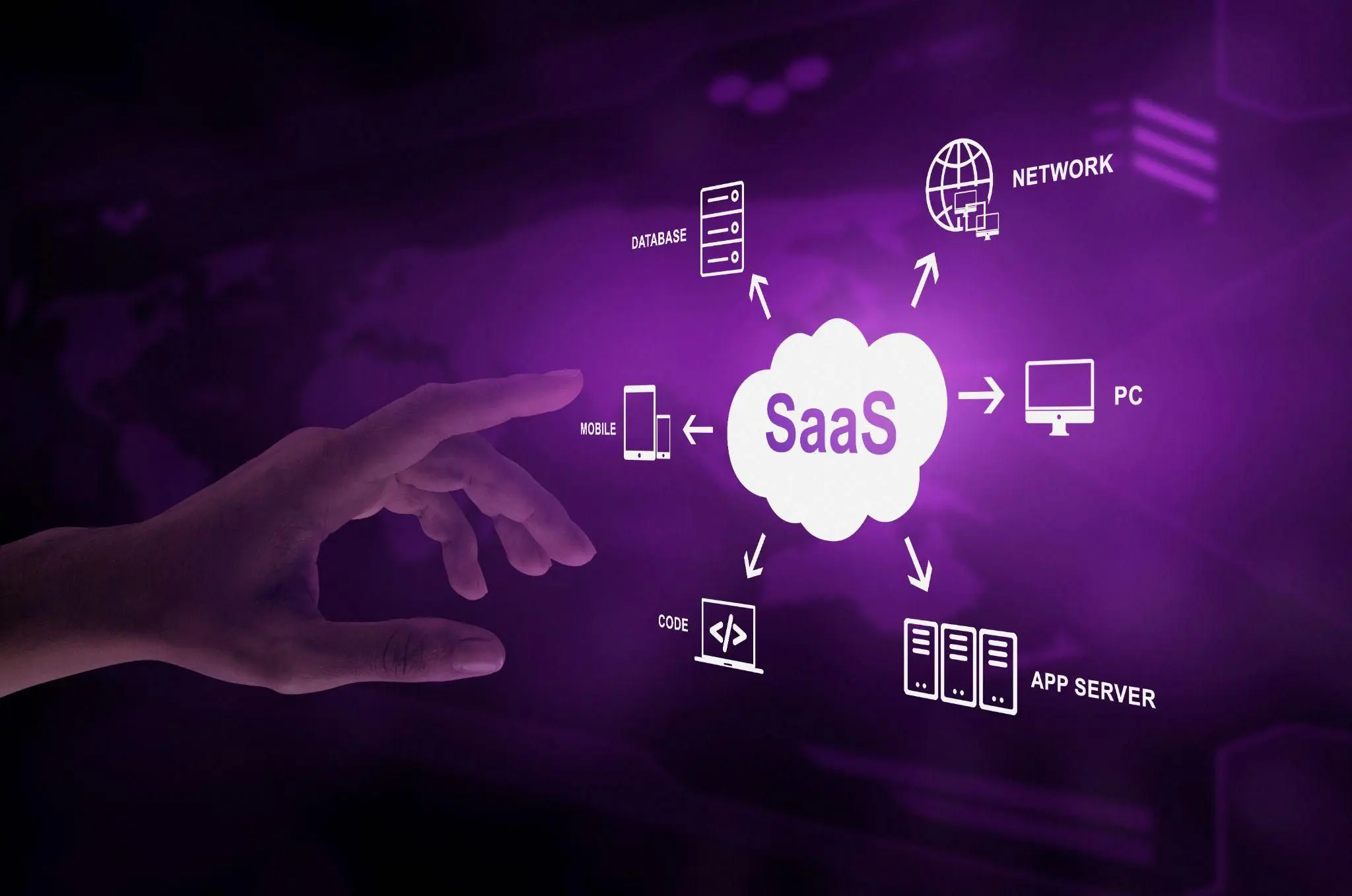
How to Pick the Best SaaS Pricing Model
Selecting the right pricing approach is a strategic choice. Follow these steps to align pricing with business goals and customer value:qwilr+3
1. Define Your Value Metric
Identify the core unit that drives value for your users (e.g., transactions, storage space, active users, documents sent).
- Your value metric should scale with the customer’s own business growth.
- Make sure customers can understand and measure this easily.
2. Segment Your Customer Base
Understand the target audience by business size, industry, and use case. Small businesses and startups may be highly price-sensitive, while enterprises focus more on advanced capabilities and support.qwilr+1
3. Analyze the Competitive Landscape
Study how leading competitors price similar products to establish benchmarks and spot opportunities for differentiation.
4. Link Pricing to Product Strategy
Match pricing models to high-level business objectives:
- Market entry: Freemium or basic low-cost plans can drive adoption at scale.
- Upsell growth: Tiered or feature-based pricing maximizes expansion revenue.
- Enterprise: Custom or hybrid pricing adapts to complex needs and high-value contracts.
5. Test and Iterate
There’s no one-size-fits-all solution. Use A/B tests, cohort analysis, and customer feedback to refine pricing over time.
Pros and Cons: SaaS Pricing Models
Model | Strengths | Drawbacks | Best Use Cases |
|---|---|---|---|
Freemium | Easy adoption, viral growth | Low conversion, costly support | High-volume consumer SaaS |
Flat-Rate | Simple, predictable | Not optimal for all segments | Simple products, SMB market |
Tiered | Flexible, high ARPU | Complexity, edge-case gaps | Multi-segment, scalable SaaS |
Per-User | Predictable, scalable for teams | Deterrent for org-wide use | Collaboration, productivity tools |
Usage-Based | Fair, value-based | Variable bills, vendor risk | APIs, infrastructure SaaS |
Feature-Based | Value clarity, easy upsell | Perceived price creep | Power tools, APIs with rich add-ons |
Credit-Based | Flexible, enterprise-friendly | Needs clear communication | Platforms, variable consumption |
Hybrid | Predictable + scalable revenue | Can confuse customers | Mature platforms |
SaaS Pricing Trends in 2025
- Personalized and segmented pricing is growing, driven by deeper user analytics and customer success insights.
- Value-based and outcome-based pricing are gaining traction for products closely tied to tangible business results (e.g., marketing or productivity tools).metronome
- Transparent communication and user education around pricing are seen as critical to maintaining trust and reducing churn.

Best Practices for SaaS Pricing
- Keep pricing structures clear and easy to understand, avoiding hidden fees or complex rules.
- Align tiers or charges with value delivered, and communicate the ROI of each plan.
- Regularly review and update pricing based on customer needs, feedback, and market trends.
- Empower customers to upgrade, downgrade, or self-serve plan changes as their use evolves.
- Test new pricing on a small segment before rolling it out widely.
Conclusion
The top SaaS pricing models — freemium, flat-rate, tiered, per-user, usage-based, feature-based, credit-based, and hybrids — each satisfy different buyer needs and business strategies. The best pricing model is one that both resonates with the company’s target audience and reflects the core value delivered by the product. Successful SaaS companies routinely evaluate their pricing approach, adapt to changing market trends, and ensure transparency to build lasting, profitable customer relationships.cloudzero+4